Butterfly Waves Embroidery Design: A Designer's Review
First Impressions: The Mood and Flow of Butterfly Waves
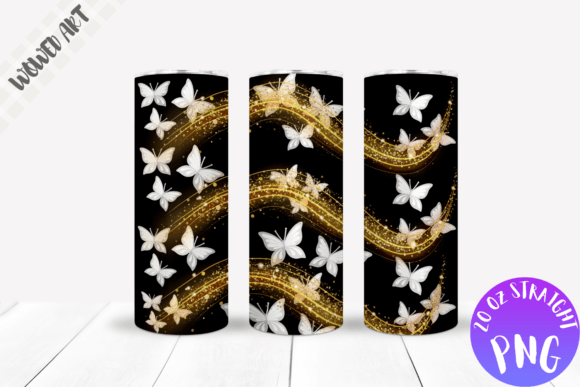
When I first opened the Butterfly Waves 20oz Skinny Tumbler Wrap file, my immediate reaction was one of pleasant surprise. The design possesses a light, airy rhythm. The titular butterflies aren't static; they're arranged in a gentle, cascading wave pattern that suggests movement. This isn't a rigid, formal layout. It feels organic and playful, yet maintains a clean, graphic quality that translates beautifully into a machine embroidery design concept. The level of detail is thoughtful—the butterfly silhouettes are distinct without being overly intricate, which is a crucial balance for stitching clarity. Visually, it creates a mood that’s both cheerful and sophisticated, landing somewhere between a boutique nursery decor piece and a modern, personalized gift item.
The Natural Habitat for This Embroidery Design
In my mind, I instantly started placing this design onto various projects. Its flow makes it a prime candidate for vertical or curved applications. Picture it: a custom tote bag, with the wave of butterflies trailing down one side. It would be stunning on a lightweight, drapey sweatshirt, perhaps along the sleeve or across the back shoulder. I was particularly drawn to the idea of using it for a baby item, like a delicate blanket or a special keepsake pillow cover. The theme is universally positive, avoiding any overtly gendered or age-specific cues, which broadens its appeal for a craft business.
This flexibility is its strong suit. As an embroidery file intended for a tumbler wrap, its original dimensions are generous, and the fact it can be resized means you’re not locked into one product type. For an Etsy seller or small shop owner, this is a versatile digital embroidery file. You could easily adapt it for an apron panel, a decorative kitchen towel, or a series of embroidered patches for caps. It has that giftable quality—it feels special without being fussy.
Where Butterfly Waves Finds Its Best Stitching Ground
For real-life embroidery situations, I’d lean towards smooth, stable fabrics. Think quilting cotton for pillow covers, mid-weight cotton or linen for tote bags, and a good quality stable fleece or jersey for sweatshirts. The design’s open, flowing layout means stitch density shouldn’t be overwhelming, which is great for comfort on apparel. It would shine as a focal point on a simple, solid-color tea towel or as a sweet accent on a baby’s romper. In a commercial embroidery context, its recognizable, friendly theme could become part of a boutique’s consistent branding for a line of handmade products.
Practical Considerations: Where to Use Careful Judgment
While the design is adaptable, a practical designer must consider its application carefully. The provided size is quite large, so resizing it down significantly for a very small hoop size, like for a delicate baby cap, might require a close inspection of the smallest details. On textured fabrics like terry cloth or heavily napped fleece, the clean butterfly silhouettes might lose some definition. I’d be cautious about using it on very thin or stretchy fabric without impeccable stabilizer technique, as the larger open areas could potentially distort.
Dark fabric backgrounds are a classic challenge. This design, with its open spaces, would require a smart thread color strategy. You might need to shift from light, pastel threads to richer, deeper tones to maintain contrast and visual appeal. Also, applying it to a curved surface like a baseball cap would demand careful digitizing adjustments to keep the wave pattern looking intentional, not warped. The beauty of Butterfly Waves is in its flow, so preserving that on a complex garment shape is key.
The Impact on Your Finished Product and Customer
From a business perspective, a well-executed Butterfly Waves embroidery project elevates perceived value. Its aesthetic is polished and complete—it doesn’t look like a fragmented clipart set. This builds customer trust; they see a cohesive, professional handmade presentation. For personalized gifts, like a wedding gift pillow or a nursery item, it carries enough visual personality to feel unique without requiring custom tweaks from the buyer. This giftability is a real asset. It also has strong recognition; butterflies are a beloved, timeless motif, which aids in buyer engagement across different customer ages and styles.
A Designer's Notes Before You Hoop the Fabric
My strongest advice is always to test on scrap fabric first. Use the same material and stabilizer combination you plan for the final product. For Butterfly Waves 20oz Skinny Tumbler Wrap, pay special attention to thread color contrast. Run a simple black and white mockup on your software to see how the positive and negative spaces interact. This will inform your thread choices for light versus dark backgrounds.
Since the files are provided as PNGs in a .zip archive, remember that you are working with a graphic intended for digitizing. Confirm your own software’s capabilities for converting and adjusting stitch types—you’ll be deciding on satin stitch for outlines, fill stitch for solid areas, or running stitch for fine details. Check the licensing terms of the original product yourself before selling finished items or incorporating it into commercial embroidery projects for clients. Always ensure your use aligns with the creator’s policies.
Finally, think about the entire project. Does the scaled size fit your desired hoop size? How will the fabric texture interact with the design’s details? By answering these practical questions upfront, you transform this graphic from a digital product into a reliable, beautiful design asset for your craft business, ensuring your finished embroidered tote bag, sweatshirt, or personalized gift truly reflects the graceful wave of butterflies you started with.