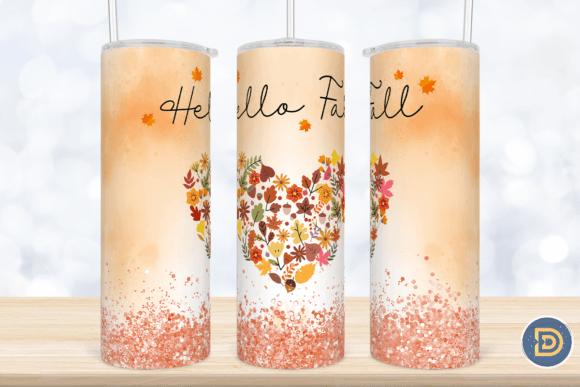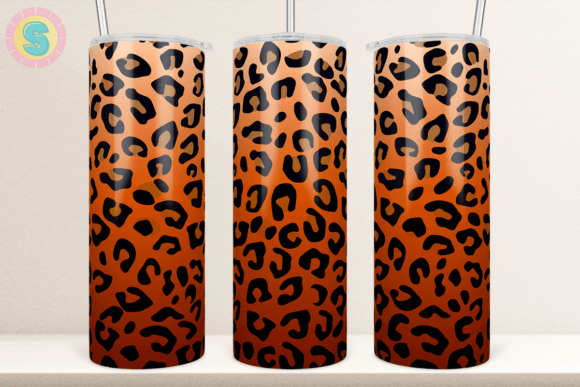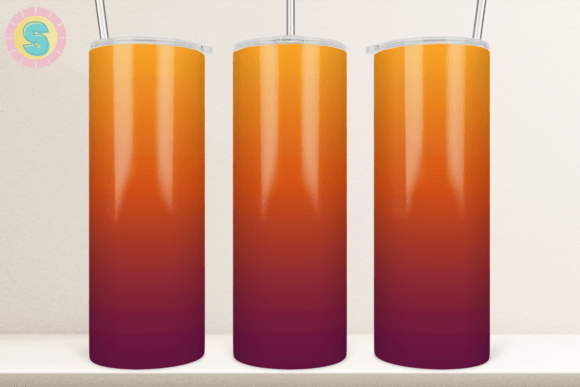
A Practical Review of the Autumn Ombre Tumbler Wrap Embroidery Design
When I first opened the Autumn Ombre Tumbler Wrap file, I was struck by its quiet confidence. This isn’t a loud, seasonal shout; it’s a gentle, warm whisper. The ombre effect, flowing through those classic fall leaves, immediately suggests a sense of layered depth. For an embroidery designer, that’s the first cue: this design isn’t just about color; it’s about texture and transition. The layout feels balanced and naturally suited to a vertical orientation, which tells me it’s destined for items where space is defined—like the center panel of a tote bag or the front of a sweatshirt.
The Mood It Creates and Where It Belongs
The visual personality here is sophisticated autumn. It avoids the cliché of pumpkin overload and leans into a more artistic, color-gradient interpretation of fall. This makes it incredibly versatile for projects that need a seasonal touch without being childish or overly thematic. I picture it perfectly on a premium cotton apron for a boutique kitchenware shop, or as a focal point on a linen pillow cover in a cozy living room. The detail level appears moderate—not overly dense—which suggests it will stitch out cleanly without becoming a heavy, stiff patch on lighter fabrics.
Thinking Through a Real Project: The Boutique Tote Bag
Let’s walk through a real scenario. A client requests a custom embroidered tote bag for their small gift shop, wanting something that feels “fall” but also timeless enough to sell beyond October. I pull up the Autumn Ombre Tumbler Wrap. The ombre leaves, with their smooth color flow, would translate beautifully into a blend of thread colors using satin and fill stitches. On a natural canvas tote, the design would offer that handmade presentation with a professional polish. The size and shape look ideal for a standard hoop, centered nicely. I’d imagine a customer’s reaction: they’d appreciate the artistry, not just the season. That’s key for product value—it feels like a designed piece, not a generic graphic.
Performance Across Real Embroidery Situations
This design’s strength lies in its adaptability. For custom apparel, like sweatshirts or t-shirts, the ombre effect can elevate a simple garment. On baby clothes or nursery decor, scaled down appropriately, it becomes a gentle, decorative accent. As an embroidered patch, it would hold its visual clarity. For holiday gifts—think tea towels or blanket corners—it provides that personalized touch. For small business merchandise, such as items for an Etsy listing or craft fair, it contributes to brand consistency if your shop’s vibe is earthy and artistic. It also serves well for digital product previews and printable mockups, given its clean PNG format.
However, its commercial embroidery potential is high. For a small shop product line—aprons, caps, kitchen towels—this design could become a signature autumn item. The “fall vibes” are present but subtle, increasing its gifting appeal for a wider audience.
Where This Design Requires a Careful Approach
Any design with gradient details demands attention in execution. On very small hoop sizes, the ombre transition might lose its smoothness and become blocky if stitch density isn’t managed. On highly textured fabrics like some towels or sweaters, the finer details could get lost. Stretchy fabric like on certain caps requires excellent stabilizer to keep the shapes crisp. I’d be cautious on very dark fabric backgrounds unless the thread color palette is adjusted for contrast—the original light-to-dark ombre might invert on a black garment.
The design seems to avoid overly tiny lettering or detailed corners, which is a relief. Still, the leaf shapes have points and curves. On a curved surface like a cap, careful placement is needed to avoid distortion. For products needing frequent washing, like apparel, ensuring the stitch areas aren’t too dense will help longevity.
Impact on Visual Appeal and Customer Trust
From a business perspective, using a design like this affects several layers. Its stitching clarity when well-executed directly boosts visual appeal and perceived craftsmanship. A customer seeing a clean, color-blended leaf on a handmade product trusts the maker’s skill. That builds buyer engagement. For a creative entrepreneur, it offers a design asset that feels current yet classic, aiding in brand consistency across a seasonal collection. Its giftability is high because it’s recognizably autumn but not dated.
Professionally, it’s a design that doesn’t scream “DIY”; it whispers “designed.” That distinction is crucial when selling in markets where buyers look for quality alongside creativity.
Essential Embroidery Designer Notes Before You Stitch
My practical advice always starts with testing. Test this design on scrap fabric first, preferably a similar material to your final project. This lets you review stitch density and see how the ombre translates into actual threads. Check thread color contrast against your background fabric. Run a black and white mockup to assess the value contrast alone. Compare how it looks on both light and dark fabric backgrounds in your software.
Always use proper stabilizer for the fabric type; this is non-negotiable for preserving detail. Confirm your hoop size can accommodate the design comfortably without forcing excessive scaling. Inspect the small details in the file preview to ensure there are no microscopic elements that could become stitching pitfalls.
Crucially, since this is a digital embroidery file, check whether the design works for both personal and commercial projects according to its license. Confirm licensing before selling finished items or incorporating it into digital products for resale. The product description mentions PNG files, which are versatile, but for machine embroidery, you’ll need to ensure you have or can create the appropriate embroidery file format from this graphic asset.
Final Impressions for Makers and Entrepreneurs
The Autumn Ombre Tumbler Wrap, as a graphic, presents a strong foundation for a beautiful embroidery project. Its mood is its greatest asset—calm, autumnal, and artistic. It naturally fits into a craft business’s offerings for fall, from personalized gifts to small shop merchandise. For the hobbyist making a pillow cover or a tea towel, it offers a satisfying project with a professional-looking result.
Remember, the success of any embroidery design in real project use hinges on your preparation. This design invites you to play with color blends and placement. It’s suited for projects where you want the season to be felt, not shouted. In the hands of a thoughtful maker, on the right fabric, with careful stitching, it will become a standout piece that captures the gentle transition of autumn, stitch by stitch.