Stronger Than the Storm: An Embroidery Design Review
Every designer has a folder of digital files waiting for that perfect project. Today, I’m looking at Stronger Than the Storm Skinny Tumbler from the perspective of embroidery, imagining how this design translates from a PNG on my screen to stitches on fabric. Let’s walk through what it feels like to use this graphic in real-world embroidery work, for client projects, small shop merchandise, or heartfelt gifts.
The First Impression: Mood and Message
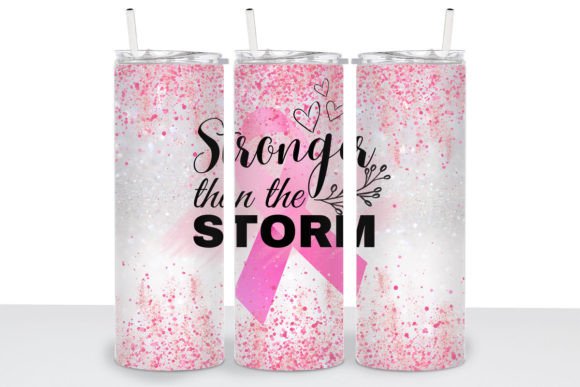
Right away, this design communicates a quiet, powerful resilience. The phrase “Stronger Than the Storm” itself is the central element, often accompanied by complementary imagery—in this case, themed for Breast Cancer Awareness. The layout typically feels balanced, with the text carrying the weight and any additional elements acting as supportive accents. This isn’t a loud, flashy graphic; it’s a statement piece. Its visual personality is dignified and encouraging, which tells me it belongs on projects meant to convey support, remembrance, personal triumph, or solidarity. As an embroidery designer, I see it naturally fitting onto items that are gifts, commemorative pieces, or products for causes.
Where This Design Finds Its Home
In practical terms, I’m picturing a custom embroidered tote bag for a cancer survivor group, a soft sweatshirt for someone completing treatment, or a delicate patch on a baby blanket for a family touched by the journey. It would shine on personalized kitchen towels for a supportive friend, or as a central motif on a pillow cover meant for comfort. For small business owners and Etsy sellers, this design could anchor a line of boutique merchandise centered on encouragement—think caps, aprons, or simple tea towels sold at craft fairs. The theme gives the finished product inherent giftability and recognition; it’s not just a decorative item, it’s an emblem.
Performance in Real-Life Embroidery Situations
Moving from concept to hoop, how does Stronger Than the Storm Skinny Tumbler perform? Since it’s provided as a PNG, it needs to be converted into an embroidery file format. This is a crucial step. The clarity of the text and any fine details in the original graphic will dictate the success of the stitch-out. On custom apparel like t-shirts or sweatshirts, the message will stand out clearly if the stitch density is managed well. For heavier items like tote bags, the design can become a robust, textured focal point.
However, its performance depends heavily on the project specifics. On baby clothes or delicate blankets, you’d want a lighter stitch count to maintain fabric softness. As a decorative patch, it could become a beautiful standalone piece. For holiday gifts or wedding gifts that carry a deeper meaning, the embroidered result adds a layer of handmade sincerity that elevates the present beyond a store-bought item. In commercial embroidery projects or for digital product sellers creating printable mockups, the design’s strong, clean aesthetics help in creating professional previews that build customer trust.
Where to Exercise Caution
Not every fabric or product is an ideal canvas. This design, with its likely emphasis on text, requires careful consideration on small hoop sizes. Tiny lettering can become muddled if the stitch width isn’t adjusted properly. Textured fabrics, like some linens or knits, might obscure the clarity of the message. Stretchy fabrics need excellent stabilizer to keep the design from distorting.
Dark fabric backgrounds demand thoughtful thread color choices for contrast. Layered garments or curved surfaces like caps present challenges for layout placement—the design’s impact relies on its central positioning. Any densely stitched areas, if present in the design conversion, could make fabrics stiff or prone to puckering, especially on thin materials. Products destined for frequent washing, like kitchen towels or aprons, need robust stitching techniques to ensure longevity. As a designer, my advice is always to know your substrate.
Impact on Appeal, Value, and Engagement
When embroidered well, this design significantly boosts the visual appeal and perceived value of a finished product. The stitching clarity brings a tangible, tactile quality that a printed graphic cannot match. For small shop owners and creative entrepreneurs, that handmade presentation builds brand consistency if you offer a line of supportive products. It engages buyers on an emotional level, which is powerful for Etsy listings and craft fair products.
A well-executed embroidery of this theme feels professional and trustworthy. It turns a simple sweatshirt or tote into a meaningful keepsake. This directly affects customer trust and repeat engagement—people remember where they got a item that carried such personal significance. For the embroidery designer, it’s a project that feels worthwhile, knowing the end product will resonate deeply.
Practical Notes for the Embroidery Designer
Before you commit this design to a client’s project or your own merchandise, follow these practical steps. They come from years of avoiding heartbreak with a finished hoop.
- Always test on scrap fabric first. Use the same fabric and stabilizer you plan for the final project.
- Check thread color contrast meticulously. Run tests on both light and dark fabric backgrounds if you intend to offer both.
- Review the stitch density in your converted embroidery file. Ensure it’s appropriate for your fabric weight—too dense can ruin thin materials.
- Confirm your hoop size can accommodate the design comfortably without cramping details, especially text.
- Inspect small details after conversion. How do the corners of letters or any decorative accents look as satin stitches or fill stitches?
- Test the design in black and white mockups to see its form without color, which helps understand its structural strength.
- Use proper stabilizer. This is non-negotiable for maintaining clarity and preventing puckering.
- Check the licensing terms provided with this digital product. Understand clearly if it’s suitable for both personal and commercial projects before selling finished items or using it in commercial embroidery.
- Remember this is a digital graphic from the Print Templates and Graphics category. Its success as an embroidery design hinges on a quality conversion to a suitable embroidery file format.
Embroidery is a bridge between digital art and tangible craft. The Stronger Than the Storm Skinny Tumbler design, with its potent message, is a compelling candidate for that journey. It asks the designer to be thoughtful about conversion, fabric, and intent. When paired with the right project—a commemorative pillow, a supportive cap, a gift towel—it transforms from a graphic into a stitched story. That’s the real value for makers, crafters, and entrepreneurs: creating products that carry weight, both in thread and in meaning.