Coffee Cup Rhinestone Design: A Graphic Element for Craft Projects
First Impression: Sparkle and Celebration
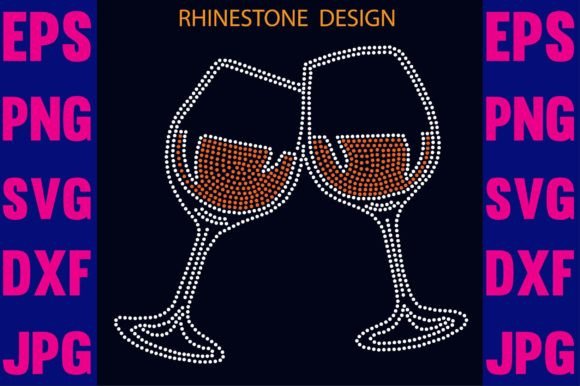
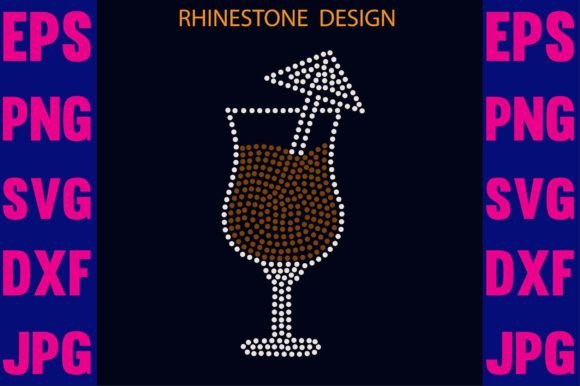
When I first opened the Coffee Cup Rhinestone Design, the immediate impression was one of festive embellishment. This isn't a minimalist graphic design asset; it's a decorative statement. The rhinestone effect creates a sense of celebration, luxury, and playful detail. It feels tailor-made for projects that aim to delight and attract attention rather than convey austere professionalism. The style leans towards handmade business aesthetics—think boutique product lines, seasonal campaigns for local cafes, or Etsy shop branding that wants to feel special and gift-worthy.
The Right Project Fit: Where This Design Shines
In a real client project, context is everything. I imagined a small business launching a limited-edition holiday coffee blend. This rhinestone template design would be a powerful tool to elevate that visual concept. It naturally fits crafts and celebratory graphics. Here’s where I see it performing exceptionally well:
- Product Mockups & Packaging Details: Applied as an accent on a mockup of a premium bag or box, it instantly suggests a special edition. The sparkle effect can be used sparingly on labels or tags to add a touch of luxury without overwhelming the brand identity.
- Campaign Visuals & Social Media Graphics: For a launch announcement on Instagram or a Pinterest pin, this design becomes a ready-made hero graphic. Its intricate detail works well in larger layout areas, creating an engaging focal point that conveys mood before text.
- Merchandise & Printable Designs: As indicated, its utility for t-shirt printing, mug printing, and tote bags is clear. For a client running a cafe, using this as the centerpiece for a staff apron or a customer appreciation gift mug would create a polished, cohesive look.
- Themed Collections & Decorative Accents: If the project involves a series of products or event materials (like invitations for a coffee-themed fundraiser), this design provides a consistent visual thread. It can anchor a collection of digital design assets for a print-on-demand store.
Practical Considerations: Where to Use with Care
Professional design judgment requires knowing not just where an asset works, but where it might falter. The Coffee Cup Rhinestone Design, with its complex, textured pattern, demands careful application.
- Small Sizes & Crowded Layouts: The rhinestone detail will likely become a muddy, indistinct texture at very small scales, such as on a small sticker or as a tiny logo on a web header. It risks clashing in layouts with many other complex elements.
- Minimalist or Corporate Branding: This asset is not for projects requiring clean visual hierarchy and stark professionalism. It carries an emotional appeal of fun and craft, which could undermine visual trust in a serious corporate context.
- Low-Contrast Backgrounds: Placing it on a similarly busy or low-contrast background will destroy its impact and readability. The design needs a clear “stage” to perform.
Testing the Asset in Real Design Situations
Before committing this to a client’s marketing visuals, a designer must run practical tests. The provided file formats—EPS, SVG, DXF, PNG, and JPG—offer flexibility. Here are my notes from a hypothetical review:
- Scale & Contrast Test: Preview the SVG file at both large (for a poster) and small (for a web icon) sizes. The detail holds up well for large format printable design but loses definition when tiny. Check contrast by placing the PNG on light and dark backgrounds; it typically needs a solid, contrasting field.
- Editability & Integration: The vector formats (EPS, SVG, DXF) are crucial for Cricut projects or scaling for large format printing without quality loss. Test editing the colors in a vector program to see if it can be adapted to a client’s brand palette.
- Print & Mockup Preview: Place the design on real product mockups—a mug, a t-shirt, a bag. Does the rhinestone effect translate well onto the physical product texture? For sublimation design, the intricate pattern should work beautifully.
- Typography Pairing: Compare the design alongside different font styles. It pairs naturally with playful script or display fonts for a cohesive handmade feel. It can clash with severe serif fonts. A clean sans-serif might work if used for supporting text, not competing with the graphic.
- Commercial Licensing Confirmation: This is paramount. Before using any digital product for a client’s commercial design, explicitly confirm the license allows for business and print-on-demand use. Never assume.
The Impact on Brand and Audience Engagement
Ultimately, a design asset’s value is in how it shapes the final project’s impression. The Coffee Cup Rhinestone Design steers a project toward a specific emotional appeal: celebration, specialness, and crafted care. For a boutique brand, this can directly enhance audience engagement by making products feel more personal and giftable.
However, it affects brand consistency. If used as a dominant element, it sets a very specific, decorative tone. It’s less suitable as a subtle, reusable brand mark. Its strength is as a campaign-specific graphic or a product-line accent. For website graphics or digital ads, it can create striking hero images but should be balanced with clean areas of text for clear visual hierarchy.
A Final Thought for Content Creators and Digital Sellers
For bloggers, publishers, and digital sellers, this rhinestone template design is a ready-made creative design element. It can speed up the creation of themed Canva templates for a coffee-related blog post, or serve as the core artwork for an Etsy product like a printable party invitation set. Its multi-format nature makes it adaptable across mediums, from physical sticker design to digital social media graphics. The key is to match its inherent mood—sparkly, detailed, celebratory—with a project that shares that intent. When aligned, it adds a layer of polish that can make a small business’s creative marketplace offering stand out with confident, crafted charm.