A Practical Review of the Win Cup Rhinestone Design Asset for Crafts and Graphics
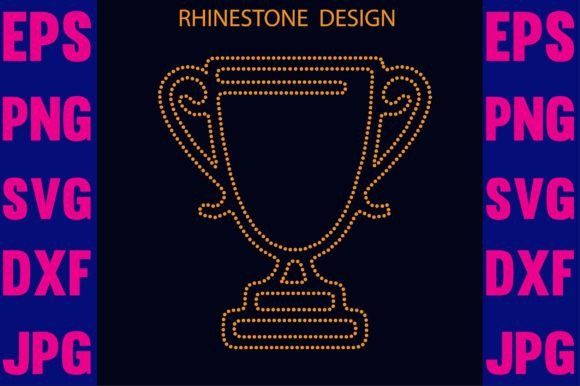
When I first opened the Win Cup Rhinestone graphic design asset, the immediate impression was one of celebratory opulence. It’s not a subtle, minimalist piece; it commands attention with a distinctively festive, glamorous mood. This rhinestone template design feels inherently decorative and celebratory, reminiscent of trophy embellishments or award ceremony aesthetics. It naturally fits projects for clients looking to convey achievement, luxury, or a special occasion. For a designer evaluating assets for real client work, the first question is always: does this elevate the concept, or just decorate it?
Where This Rhinestone Asset Finds Its Natural Home
In my workflow, I consider how a digital product like this integrates into broader visual systems. The Win Cup Rhinestone excels as a supporting brand element or a hero graphic accent. For a client project—say, launching a limited-edition product line for a boutique winery or crafting visuals for a local marathon’s winners’ ceremony—this asset could be pivotal. It would work beautifully on product labels and packaging design where a touch of prestige is needed, perhaps as a foil-stamped detail on a bottle neck label. In marketing visuals for a handmade business celebrating an anniversary, it could adorn social media graphics, posters, and flyers, instantly signaling celebration.
Its vector nature (the included EPS and SVG formats are crucial) means scalability for large layout areas. Imagine it as a backdrop texture on a website hero section for a creative marketplace promoting artisan awards. As a printable design, it’s ideal for merchandise like t-shirt design for a team celebrating a championship, or for sublimation design on mugs and tote bags. For Cricut projects, the DXF file allows precise cutting for sticker design or decorative window clings for an event.
Testing the Asset in Critical Design Situations
Before committing to a client’s brand identity or commercial design project, I run practical tests. With the Win Cup Rhinestone, I first preview it at drastically different sizes. At large sizes, on product mockups or packaging details, the intricate details shine. However, at very small sizes—think a favicon or a tiny logo on a business card—the complexity collapses, losing its definition. This is not an asset for minimalist branding where clean visual hierarchy is paramount.
I always test it in black and white and check contrast on both light and dark backgrounds. The PNG file with transparency is useful here for quick compositing. On a dark background, the design’s positive space creates a nice silhouette, but on a busy or complex background, it can get visually lost, requiring a solid field behind it. Its emotional appeal is high for celebratory audiences, but it might undermine visual trust for a serious corporate financial report.
Integrating with Typography and Layout
A significant part of my review involves pairing the asset with type. The Win Cup Rhinestone, with its ornate, structured feel, pairs surprisingly well with both clean sans serif fonts and elegant serifs. A bold sans serif can ground it, making it feel modern and strong for a sports award. A delicate script font can enhance its luxurious mood for a wedding stationery client. It clashes with overly casual handwritten fonts; the styles compete rather than complement.
In editorial design, like a blog post announcing a winner, it could serve as a recurring decorative accent. In website graphics, it could animate subtly in a header. For digital ads or Pinterest pins promoting a craft workshop’s final project, it adds a polished finish. However, in crowded layouts with many other graphic elements, it should be used sparingly as a focal point to avoid visual noise.
The Professional Considerations for Commercial Use
The provided file formats (EPS, SVG, DXF, PNG, JPG) cover most professional needs. The SVG design editability is a major plus for adjusting scale or color to match brand colors, though the intricate nature means editing individual paths is advanced. Always confirm the commercial license terms before using any design asset for a client’s Etsy product or print-on-demand store. This asset feels tailored for projects where the audience seeks engagement through recognition and shared celebration.
I place it on real mockups: a t-shirt, a mug, a tote bag. The test print quality from the high-resolution files is solid, with the JPG suitable for direct digital use. For Canva templates, the PNG allows quick drag-and-drop for content creators. The key is understanding its role: it’s not typically a standalone logo design, but a powerful decorative illustration within a larger brand identity system for events, crafts, or celebratory retail.
Final Judgment for Client Project Suitability
The Win Cup Rhinestone is a specialist asset. It won’t fit every project, but when the brief calls for a mood of victory, luxury, or special occasion, it delivers a ready-made sophistication that can speed up the design process. For a designer working with a small business branding a seasonal campaign around “achievement,” or a crafter building a themed collection of printable wall art for graduations, this graphic design asset provides a cohesive visual starting point.
Its strength lies in improving the visual mood, making a final result feel more intentional and polished than if one attempted to create such detailing from scratch. Used carefully—avoiding small sizes and crowded compositions—it enhances professionalism and audience engagement for the right niche. For my hypothetical client project, a boutique launching a “Winemaker’s Reserve” line, this rhinestone template design could elegantly bridge crafts and graphics, adding that crucial touch of perceived value and celebration to the packaging design, marketing visuals, and overall commercial design assets.